Scientific Results

Scientific Results: A review of frailty instruments in human medicine and proposal of a frailty instrument for dogs
Published on August 14, 2023This paper is about frailty – a complex syndrome associated with aging that has become important in human healthcare and research. When humans experience loss of emotional and physical reserves, they are less able to bounce back from stressors. Frailty, even more than chronological age, is associated with increased risk of negative health outcomes and death. There are many different ways to measure or determine frailty in humans, and this paper gives a brief review of frailty in human medicine and research. Assessing frailty is important because while we cannot reverse chronological age, we can intervene to reduce or even reverse frailty. And hopefully, this will be true for dogs as well.
Read More
Scientific Results: Social determinants of health and disease in companion dogs: A cohort study from the Dog Aging Project
Published on June 20, 2023In this study, we explored how the social environment affects the health and well-being of companion dogs. We closely looked at data from over 21,000 dogs that are part of the Dog Aging Project and linked different components of the dog’s environment to their health. Dogs in lower-income houses or areas with more residential turnover had poorer health and less physical mobility. While these adverse environmental factors were linked to poorer health, things that capture positive social environments, like social support (e.g., living with other dogs), were associated with better health outcomes for the dogs, even after taking into account their age and weight. What’s interesting is that not all environmental components had the same impact: social support was 5x more predictive of dog health compared to financial factors. This suggests that having companionship and interaction with other dogs can greatly contribute to a dog’s overall well-being.
Read More
Scientific Results: Development and Validation of a Novel Instrument to Capture Companion Dog Mortality Data: The Dog Aging Project End of Life Survey
Published on May 25, 2023This manuscript details the creation, development, and validation of the End of Life Survey (EOLS), which is used to obtain information about Dog Aging Project participating dogs who have died by gathering the information directly from dog owners.
Read More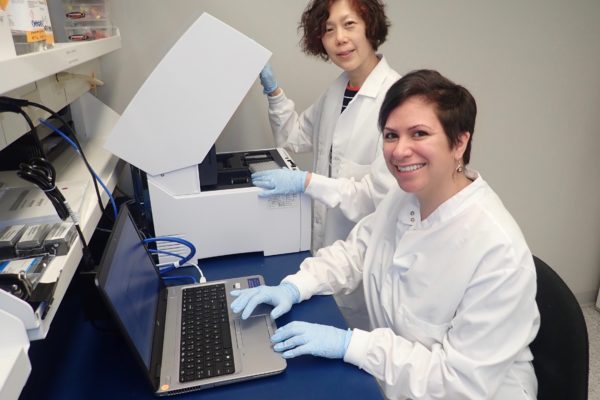
Scientific Results: Purpose, Partnership, and Possibilities: The Implementation of the Dog Aging Project Biobank
Published on February 24, 2023In this paper, we describe the partnership between the Dog Aging Project and the Cornell Veterinary Biobank (CVB) at the Cornell University College of Veterinary Medicine to create the Dog Aging Project Biobank, a resource that stores and distributes biospecimens collected from Precision and TRIAD cohort participants.
Read More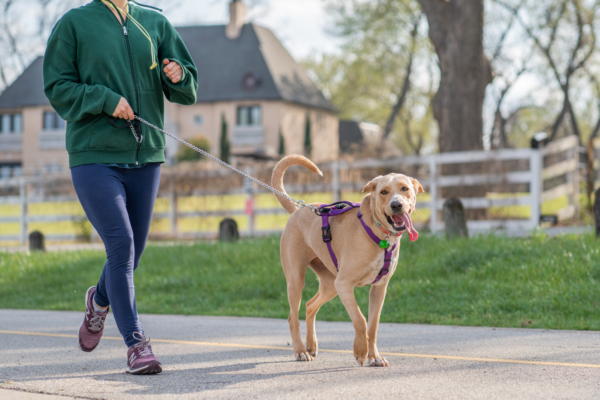
Scientific Results: Associations between physical activity and cognitive dysfunction in older companion dogs
Published on October 12, 2022[vc_message message_box_color=”violet” icon_fontawesome=”fa fa-paw”]Posts in our Scientific Results series introduce recent papers published in the…
Read More
Scientific Results: Demographic factors associated with joint supplement use in dogs from the Dog Aging Project
Published on September 12, 2022[vc_message message_box_color=”violet” icon_fontawesome=”fa fa-paw”]Posts in our Scientific Results series introduce recent papers published in the…
Read More
Scientific Results: Lifetime prevalence of malignant and benign tumors in companion dogs
Published on September 8, 2022Cancer is a disease that affects both humans and our dogs. Many cancers share similar features in both species and the etiology (set of causes) and the treatment can be similar in our furry companions. The DAP Pack presents a unique opportunity for researchers to explore the reasons why cancers occur in order to help both species live longer, healthier lives together.
Read More
Scientific Results: Living in a Disadvantaged Neighborhood is Associated with Reduced Dog-Walking
Published on September 6, 2022[vc_message message_box_color=”violet” icon_fontawesome=”fa fa-paw”]Posts in our Scientific Results series introduce recent papers published in the…
Read More
Scientific Results: Development and evaluation of a survey instrument to assess veterinary medical record suitability for multi-center research studies
Published on August 23, 2022In this paper, we describe how the Dog Aging Project developed, assessed, and refined our veterinary electronic medical records (VEMR) evaluation process. Two sequential studies were completed to determine what screening criteria could be used to determine if an uploaded VEMR was both a true medical record and was suitable for research analysis.
Read More
Scientific Results: Once-daily feeding is associated with better health in companion dogs
Published on June 14, 2022In this paper, we used data collected from the Dog Aging Project Pack to better understand the relationship between our dogs’ health and their diet—and specifically, how often they are fed each day. This work was motivated by data in laboratory rodents showing intermittent fasting can lead to better health and cognitive outcomes.
Read More