Inside Science
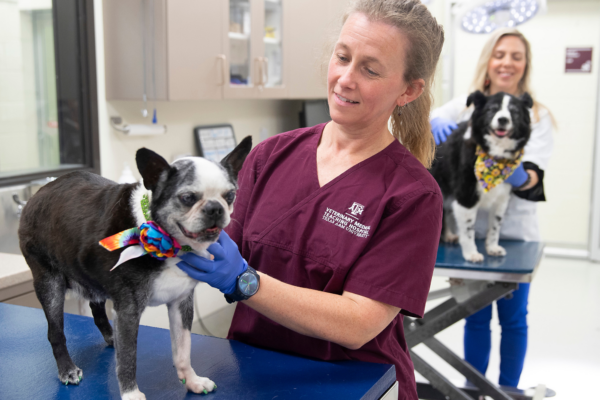
Scientific Results: An open science study of ageing in companion dogs
Published on July 15, 2026The key takeaway for families with dogs is that ongoing research into dog aging can lead to significant improvements in their pets’ health and longevity. By staying informed about new findings from the Dog Aging Project and working closely with their veterinarians, dog owners can help ensure their pets live happier, healthier lives.
Read More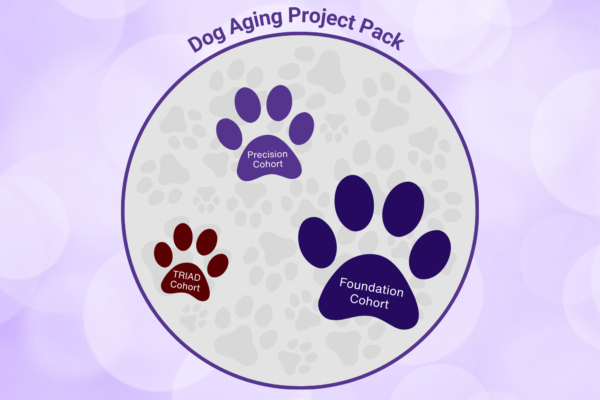
Inside Science: Consorting with Cohorts
Published on October 31, 2024In the Dog Aging Project, our different cohorts are different groups of dogs with characteristics that allow us to ask and seek answers to specific scientific questions.
Read More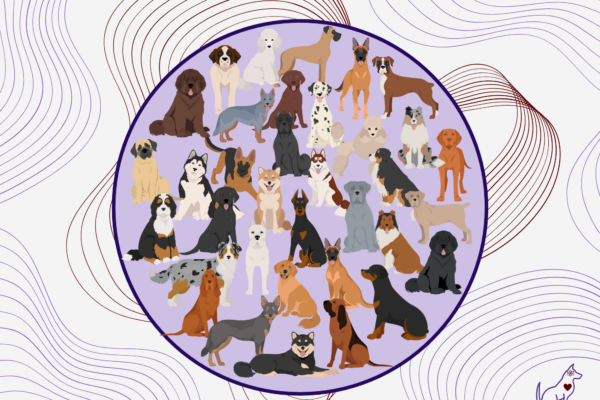
Inside TRIAD: A Closer Look at the TRIAD Cohort
Published on October 28, 2024The TRIAD clinical trial is a nationwide, double-blind veterinary clinical trial. This means half the dogs will receive the medication under study, and half will receive a placebo. In this trial, we will study the effects of the medication rapamycin.
Read More
Inside Science: Canine Sentinels
Published on October 25, 2024In this article at Science.org, our Dog Aging Project team members Courtney Sexton and Audrey Ruple lay the framework for how our close relationships with canine companions can offer an opportunity to learn how the combined elements of the physical and social environment contribute to the quality of life for both people and dogs.
Read More
Inside TRIAD: A Deeper Dive into the Test of Rapamycin In Aging Dogs
Published on October 24, 2024In the TRIAD study, we hope to evaluate the safety, efficacy, and potential side effects of rapamycin in dogs, leading to improved veterinary care of senior dogs and contributions to the understanding of human aging.
Read More
Scientific Results: How can we achieve more accurate reporting of average dog lifespan?
Published on October 11, 2024Available data do not support the claim that dogs’ lives are getting shorter.
Read More
Scientific Results: Validation of the shortened version of the Canine Behavioral Assessment and Research Questionnaire (C-BARQ) using participants from the Dog Aging Project
Published on August 30, 2024Previous studies have shown that the C-BARQ can help identify behavioral issues associated with relinquishment to shelters, as well as predict success as a service or guide dog. The C-BARQ is available in multiple languages and is used worldwide.
Read More
Open Data, Open Possibilities
Published on August 21, 2024The Dog Aging Project is powered by a diverse community of Pack members across several scientific cohorts.
Read More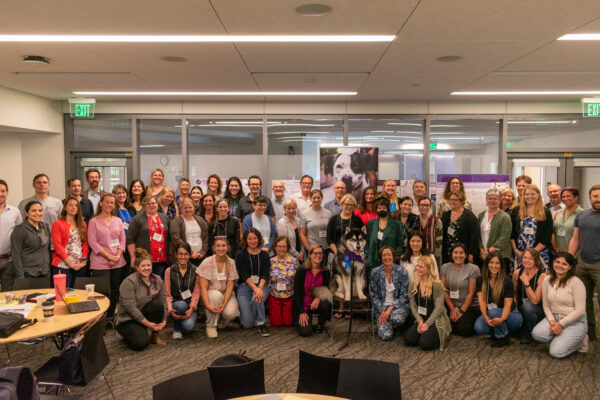
It Takes a Village to Publish a Paper!
Published on July 30, 2024If you have ever read a paper in a scientific journal, you have seen the…
Read More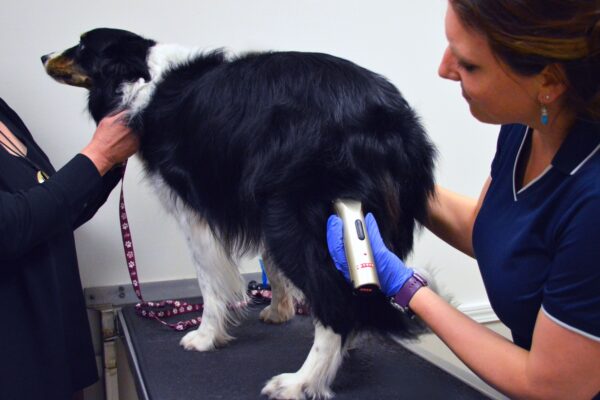
Scientific Results: Clippers are superior to scissors in the collection of hair for cortisol analysis in companion dogs – A Dog Aging Project preliminary study
Published on March 20, 2024As the scientific community expands its knowledge and methods for chemical analysis (like testing hormone levels), the use of clippers to sample fur may become a useful collection method compared with other procedure methods like blood draws.
Read More