Community Science

Scientific Results: Social determinants of health and disease in companion dogs: A cohort study from the Dog Aging Project
Published on June 20, 2023In this study, we explored how the social environment affects the health and well-being of companion dogs. We closely looked at data from over 21,000 dogs that are part of the Dog Aging Project and linked different components of the dog’s environment to their health. Dogs in lower-income houses or areas with more residential turnover had poorer health and less physical mobility. While these adverse environmental factors were linked to poorer health, things that capture positive social environments, like social support (e.g., living with other dogs), were associated with better health outcomes for the dogs, even after taking into account their age and weight. What’s interesting is that not all environmental components had the same impact: social support was 5x more predictive of dog health compared to financial factors. This suggests that having companionship and interaction with other dogs can greatly contribute to a dog’s overall well-being.
Read More
Canine Cognition: Introducing the Brain Health Study
Published on April 20, 2023The Brain Health Study is a nationwide study funded by the National Institute on Aging, a part of the National Institutes of Health, and is being conducted in collaboration with the Cornell University Veterinary Biobank to investigate the potential links between Alzheimer’s disease and a similar condition in dogs called canine cognitive dysfunction (CCD). CCD is a behavioral syndrome in older dogs that is defined by the development of symptoms similar to those observed in Alzheimer’s patients. This may include confusion, shifts in overall demeanor, or other changes in behavior that can dramatically affect our dogs’ quality of life. CCD may be as prevalent as 35% in dogs older than age eight.
Read More
Scientific Results: Demographic factors associated with joint supplement use in dogs from the Dog Aging Project
Published on September 12, 2022[vc_message message_box_color=”violet” icon_fontawesome=”fa fa-paw”]Posts in our Scientific Results series introduce recent papers published in the…
Read More
Scientific Results: Lifetime prevalence of malignant and benign tumors in companion dogs
Published on September 8, 2022Cancer is a disease that affects both humans and our dogs. Many cancers share similar features in both species and the etiology (set of causes) and the treatment can be similar in our furry companions. The DAP Pack presents a unique opportunity for researchers to explore the reasons why cancers occur in order to help both species live longer, healthier lives together.
Read More
Scientific Results: Living in a Disadvantaged Neighborhood is Associated with Reduced Dog-Walking
Published on September 6, 2022[vc_message message_box_color=”violet” icon_fontawesome=”fa fa-paw”]Posts in our Scientific Results series introduce recent papers published in the…
Read More
Inside Science: Characteristics of Scientifically Useful Veterinary Electronic Medical Records
Published on August 8, 2022Many of the insights the Dog Aging Project gathers are through its surveys and activities; however, we also gain valuable information from the veterinary electronic medical records (VEMRs) that we receive. Submission of a VEMR is not necessary to enroll in the Dog Aging Project longitudinal observational study, but some of our smaller cohorts like Precision and TRIAD do require eligible VEMRs for consideration.
Read More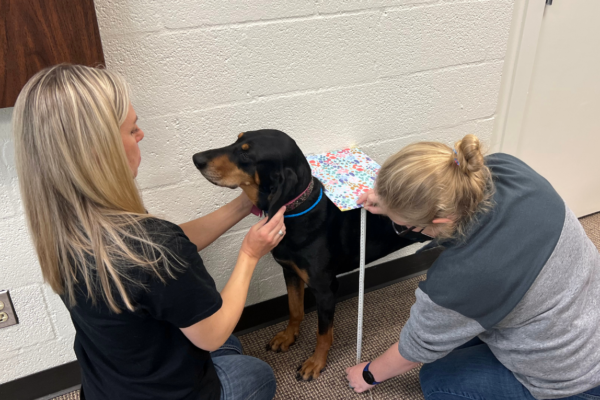
Inside the Measurement & Mobility Activities
Published on June 2, 2022It can be heartbreaking to watch your once agile pup grow old and slow down….
Read More
Meet Dr. Emily Bray, Canine Cognition Expert and Puppy Wrangler!
Published on March 28, 2022[vc_message message_box_color=”violet” icon_fontawesome=”fa fa-paw”]Our Canine Cognition series explores the many ways in which our scientists…
Read More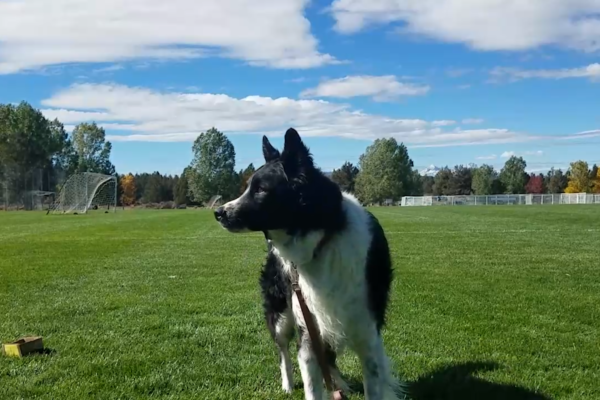
Inside the Canine Mind
Published on March 25, 2022While we’re a long way from being able to answer this question definitively, we have learned a tremendous amount about how dogs think, including the ways their minds are similar to, and different, from our own.
Read More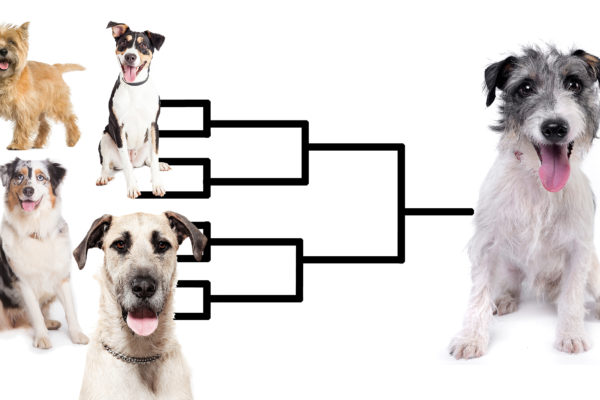
Demystifying Inbreeding
Published on July 29, 2021[vc_message message_box_color=”violet” icon_fontawesome=”fa fa-paw”]Our Inside Foundation series is a deep dive into the genomic research…
Read More