Inside Science

Scientific Results: Analysis of 2,570 responses to Dog Aging Project End of Life Survey demonstrates that euthanasia is associated with cause of death but not age
Published on January 29, 2024Euthanasia is a common manner of death for dogs in the United States. We wanted to find out what factors led owners to make the decision to euthanize their dog. Was it disease or illness? Poor prognosis? Was the dog suffering? Was it a poor quality of life?
Read More
Standing out from the crowd: What makes the Dog Aging Project unique?
Published on October 24, 2023At its core, the Dog Aging Project is a long-term, longitudinal study looking at aging…
Read More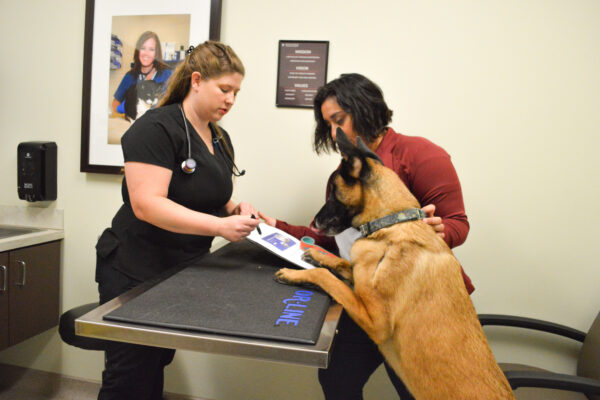
Inside TRIAD: Introducing the Test of Rapamycin in Aging Dogs
Published on September 20, 2023Many of the insights the Dog Aging Project gathers are through its surveys and activities; however, we also gain valuable information from the veterinary electronic medical records (VEMRs) that we receive. Submission of a VEMR is not necessary to enroll in the Dog Aging Project longitudinal observational study, but some of our smaller cohorts like Precision and TRIAD do require eligible VEMRs for consideration.
Read More
Scientific Results: Big data from small animals: integrating multi-level environmental data into the Dog Aging Project
Published on August 14, 2023This paper describes the infrastructure developed by the Dog Aging Project to integrate and analyze environmental data with the goal of understanding how these factors can affect the health of dogs. Within the Dog Aging Project, data has been collected from dogs’ homes, yards, and neighborhoods. These data can be combined with health information, including medical records, behavioral surveys, genetics, and other biological data, to investigate contextual determinants of health and interactions between contextual and individual-level factors.
Read More
Scientific Results: A review of frailty instruments in human medicine and proposal of a frailty instrument for dogs
Published on August 14, 2023This paper is about frailty – a complex syndrome associated with aging that has become important in human healthcare and research. When humans experience loss of emotional and physical reserves, they are less able to bounce back from stressors. Frailty, even more than chronological age, is associated with increased risk of negative health outcomes and death. There are many different ways to measure or determine frailty in humans, and this paper gives a brief review of frailty in human medicine and research. Assessing frailty is important because while we cannot reverse chronological age, we can intervene to reduce or even reverse frailty. And hopefully, this will be true for dogs as well.
Read More
Scientific Results: Development and Validation of a Novel Instrument to Capture Companion Dog Mortality Data: The Dog Aging Project End of Life Survey
Published on May 25, 2023This manuscript details the creation, development, and validation of the End of Life Survey (EOLS), which is used to obtain information about Dog Aging Project participating dogs who have died by gathering the information directly from dog owners.
Read More
Canine Cognition: Introducing the Brain Health Study
Published on April 20, 2023The Brain Health Study is a nationwide study funded by the National Institute on Aging, a part of the National Institutes of Health, and is being conducted in collaboration with the Cornell University Veterinary Biobank to investigate the potential links between Alzheimer’s disease and a similar condition in dogs called canine cognitive dysfunction (CCD). CCD is a behavioral syndrome in older dogs that is defined by the development of symptoms similar to those observed in Alzheimer’s patients. This may include confusion, shifts in overall demeanor, or other changes in behavior that can dramatically affect our dogs’ quality of life. CCD may be as prevalent as 35% in dogs older than age eight.
Read More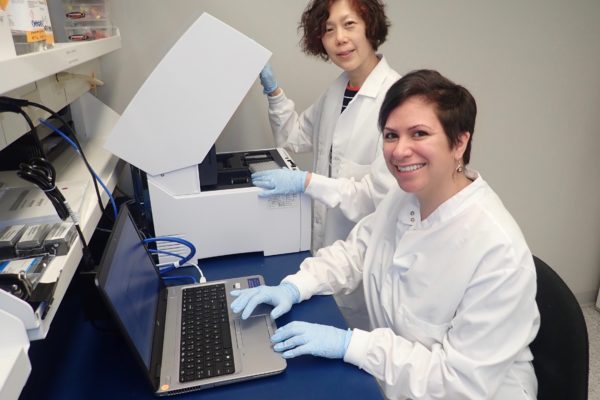
Scientific Results: Purpose, Partnership, and Possibilities: The Implementation of the Dog Aging Project Biobank
Published on February 24, 2023In this paper, we describe the partnership between the Dog Aging Project and the Cornell Veterinary Biobank (CVB) at the Cornell University College of Veterinary Medicine to create the Dog Aging Project Biobank, a resource that stores and distributes biospecimens collected from Precision and TRIAD cohort participants.
Read More
Scientific Results: Development and evaluation of a survey instrument to assess veterinary medical record suitability for multi-center research studies
Published on August 23, 2022In this paper, we describe how the Dog Aging Project developed, assessed, and refined our veterinary electronic medical records (VEMR) evaluation process. Two sequential studies were completed to determine what screening criteria could be used to determine if an uploaded VEMR was both a true medical record and was suitable for research analysis.
Read More
Inside Science: Characteristics of Scientifically Useful Veterinary Electronic Medical Records
Published on August 8, 2022Many of the insights the Dog Aging Project gathers are through its surveys and activities; however, we also gain valuable information from the veterinary electronic medical records (VEMRs) that we receive. Submission of a VEMR is not necessary to enroll in the Dog Aging Project longitudinal observational study, but some of our smaller cohorts like Precision and TRIAD do require eligible VEMRs for consideration.
Read More