General
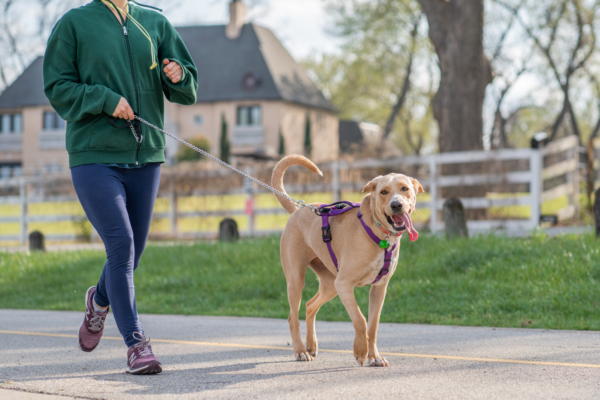
Scientific Results: Associations between physical activity and cognitive dysfunction in older companion dogs
Published on October 12, 2022[vc_message message_box_color=”violet” icon_fontawesome=”fa fa-paw”]Posts in our Scientific Results series introduce recent papers published in the…
Read More
Inside Science: Characteristics of Scientifically Useful Veterinary Electronic Medical Records
Published on August 8, 2022Many of the insights the Dog Aging Project gathers are through its surveys and activities; however, we also gain valuable information from the veterinary electronic medical records (VEMRs) that we receive. Submission of a VEMR is not necessary to enroll in the Dog Aging Project longitudinal observational study, but some of our smaller cohorts like Precision and TRIAD do require eligible VEMRs for consideration.
Read More
Dog and Human Genetics: Similarity and Difference
Published on July 26, 2022Did you know that dogs and people share over 17,000 special genes called orthologs? Each pair of orthologs is derived from the same common ancestor via vertical descent (speciation) and they tend to have similar functions. They are one of the main reasons why your pup is such an invaluable comparative animal model for studying human health. In fact, humans and dogs have numerous similarities even in those parts of the genome that aren’t genes (the noncoding part of the genome). When it comes to better understanding human health, your pup is our best friend!
Read More
Inside Science: Cross-sectional versus longitudinal study design
Published on July 18, 2022[vc_message message_box_color=”violet” icon_fontawesome=”fa fa-paw”]Posts in our Inside Science series provide you with the ins and…
Read More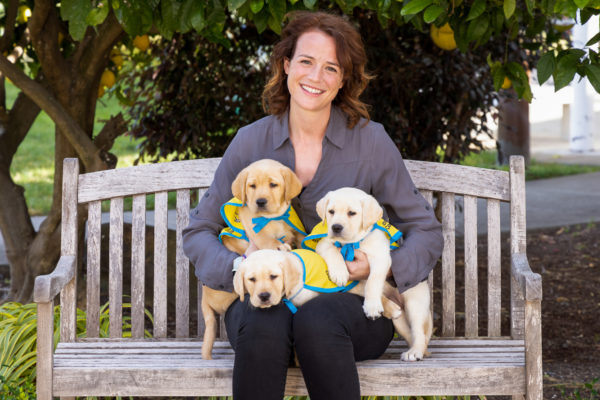
Scientific Results: Once-daily feeding is associated with better health in companion dogs
Published on June 14, 2022In this paper, we used data collected from the Dog Aging Project Pack to better understand the relationship between our dogs’ health and their diet—and specifically, how often they are fed each day. This work was motivated by data in laboratory rodents showing intermittent fasting can lead to better health and cognitive outcomes.
Read More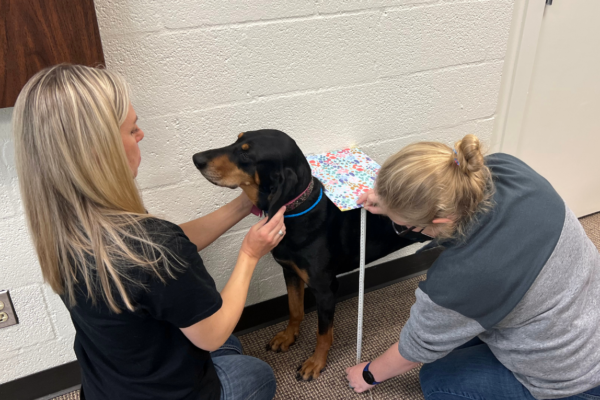
Inside the Measurement & Mobility Activities
Published on June 2, 2022It can be heartbreaking to watch your once agile pup grow old and slow down….
Read More
Fountain of Youth: Understanding inflammaging and why we age
Published on May 12, 2022Getting older can take a toll on the body. As we age, we may experience more aches and pains, loss of memory, or changes in our vision and hearing. With increasing age, there is also an increased risk of developing chronic diseases. Studies show that nearly 80% of Americans over 65 have at least one chronic disease and 50% have at least two chronic diseases.
Read More
Meet Dr. Emily Bray, Canine Cognition Expert and Puppy Wrangler!
Published on March 28, 2022[vc_message message_box_color=”violet” icon_fontawesome=”fa fa-paw”]Our Canine Cognition series explores the many ways in which our scientists…
Read More
Dog Aging Project Data: A Resource for Scientists Worldwide
Published on February 2, 2022Our team is proud to announce a new publication in the journal Nature, a top…
Read More
Interpreting Breed-Specific Risk of Genetic Disease
Published on November 17, 2021Most health outcomes in dogs and humans are caused by a combination of environmental and genetic factors. Environmental factors include both our physical environment, like climate and chemical exposures, and elements of our lifestyle, like diet and exercise. Genetic variations can influence risk of health outcomes either positively or negatively.
Read More