Dog Geroscience
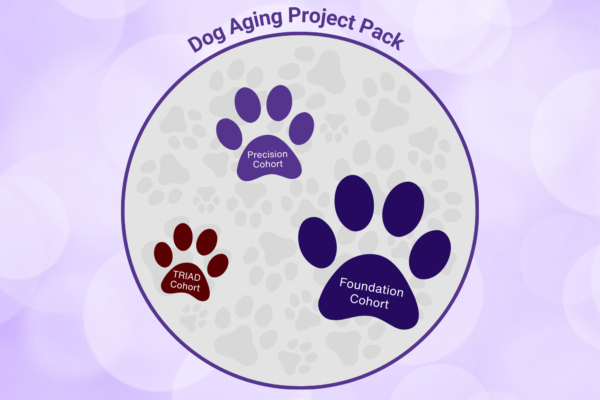
Inside Science: Consorting with Cohorts
Published on October 31, 2024In the Dog Aging Project, our different cohorts are different groups of dogs with characteristics that allow us to ask and seek answers to specific scientific questions.
Read More
Inside Science: Canine Sentinels
Published on October 25, 2024In this article at Science.org, our Dog Aging Project team members Courtney Sexton and Audrey Ruple lay the framework for how our close relationships with canine companions can offer an opportunity to learn how the combined elements of the physical and social environment contribute to the quality of life for both people and dogs.
Read More
Inside TRIAD: A Deeper Dive into the Test of Rapamycin In Aging Dogs
Published on October 24, 2024In the TRIAD study, we hope to evaluate the safety, efficacy, and potential side effects of rapamycin in dogs, leading to improved veterinary care of senior dogs and contributions to the understanding of human aging.
Read More
Scientific Results: Dog Models of Aging
Published on October 18, 2024The key takeaway for families with dogs is that ongoing research into dog aging can lead to significant improvements in their pets’ health and longevity. By staying informed about new findings from the Dog Aging Project and working closely with their veterinarians, dog owners can help ensure their pets live happier, healthier lives.
Read More
Standing out from the crowd: What makes the Dog Aging Project unique?
Published on October 24, 2023At its core, the Dog Aging Project is a long-term, longitudinal study looking at aging…
Read More
Dog and Human Genetics: Similarity and Difference
Published on July 26, 2022Did you know that dogs and people share over 17,000 special genes called orthologs? Each pair of orthologs is derived from the same common ancestor via vertical descent (speciation) and they tend to have similar functions. They are one of the main reasons why your pup is such an invaluable comparative animal model for studying human health. In fact, humans and dogs have numerous similarities even in those parts of the genome that aren’t genes (the noncoding part of the genome). When it comes to better understanding human health, your pup is our best friend!
Read More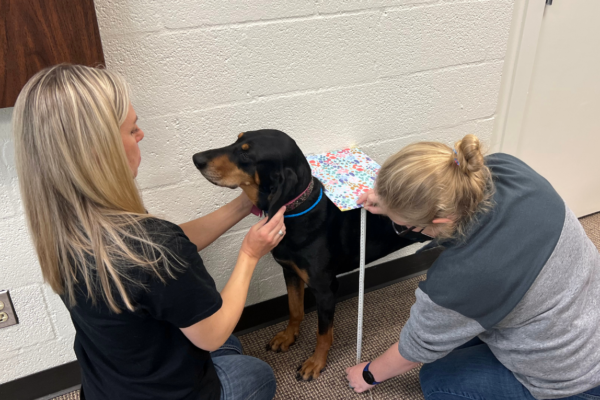
Inside the Measurement & Mobility Activities
Published on June 2, 2022It can be heartbreaking to watch your once agile pup grow old and slow down….
Read More
Fountain of Youth: Understanding inflammaging and why we age
Published on May 12, 2022Getting older can take a toll on the body. As we age, we may experience more aches and pains, loss of memory, or changes in our vision and hearing. With increasing age, there is also an increased risk of developing chronic diseases. Studies show that nearly 80% of Americans over 65 have at least one chronic disease and 50% have at least two chronic diseases.
Read More